
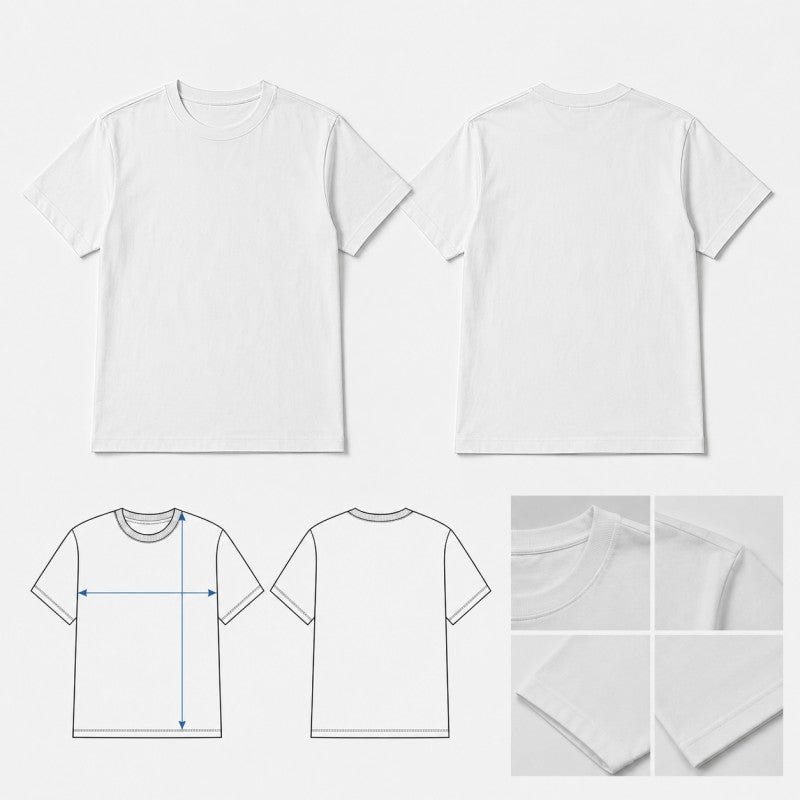
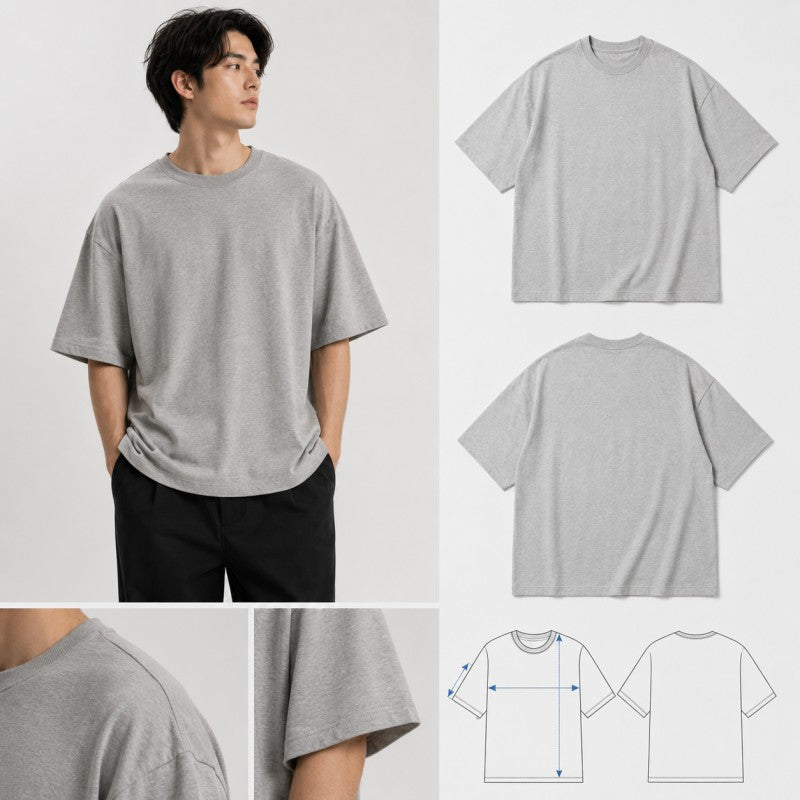
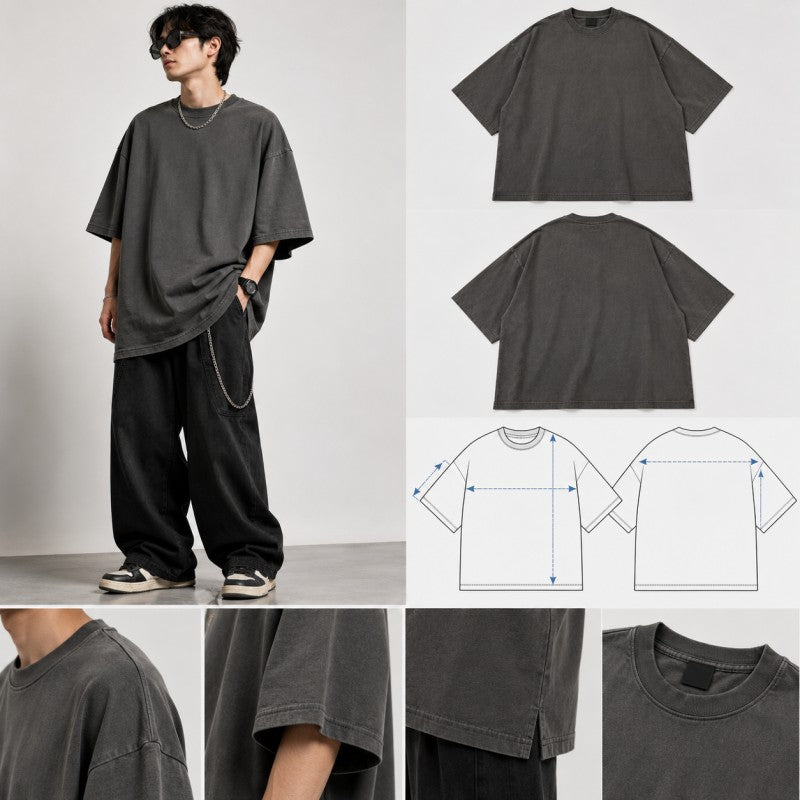
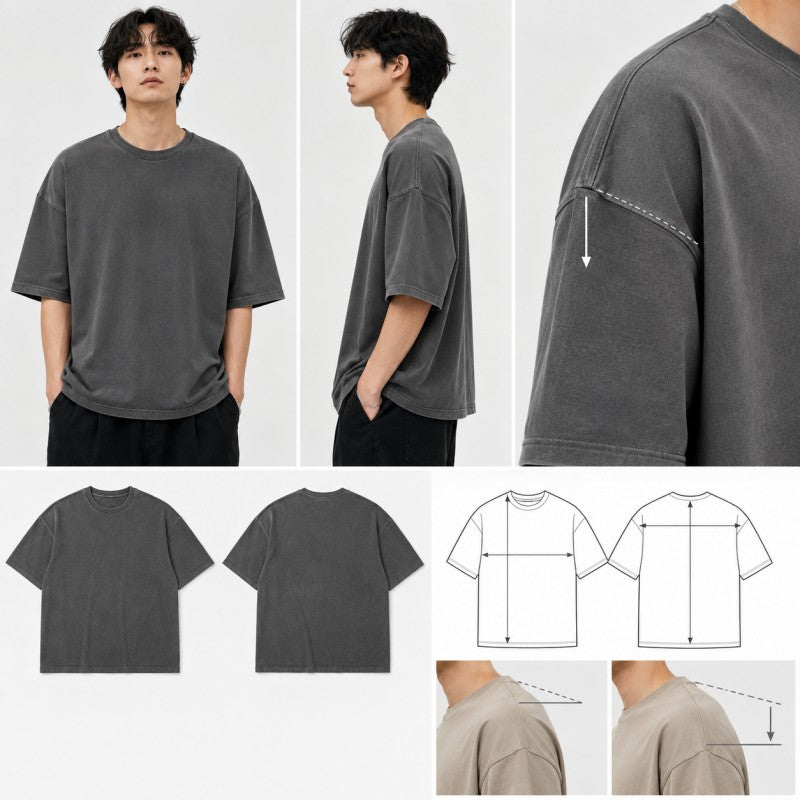
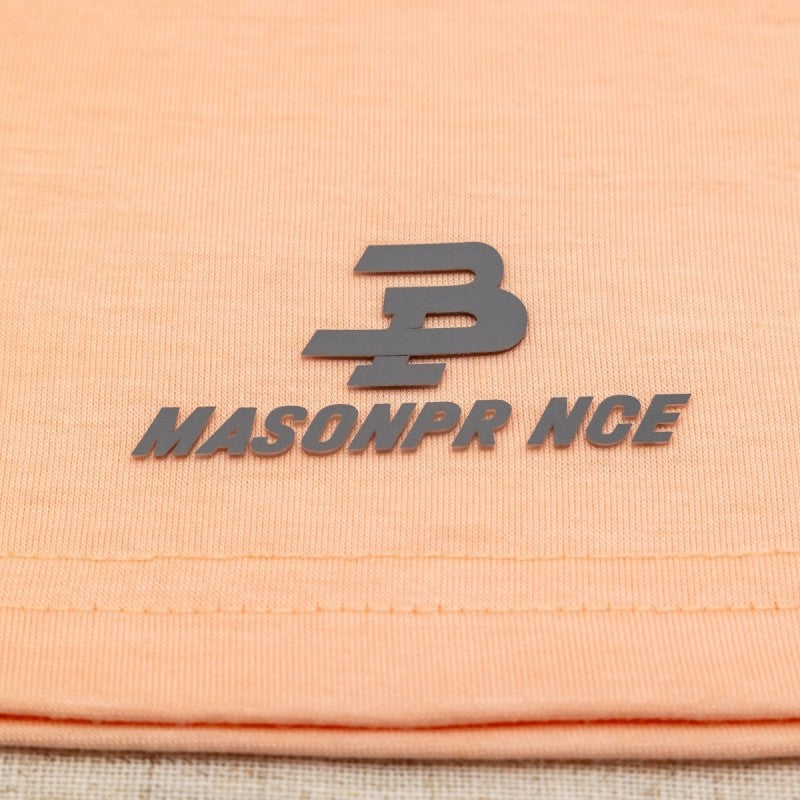
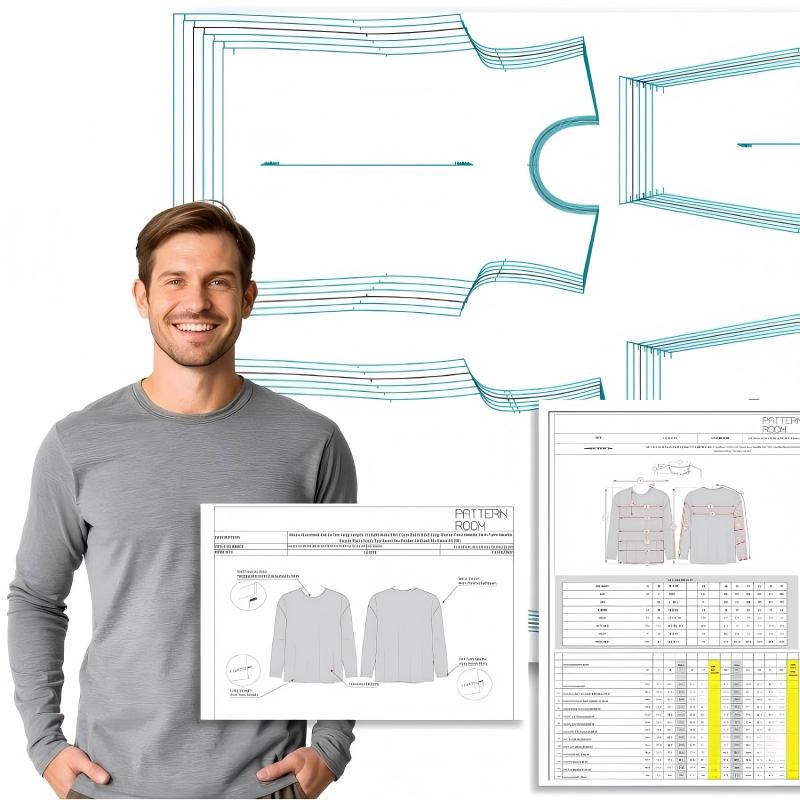
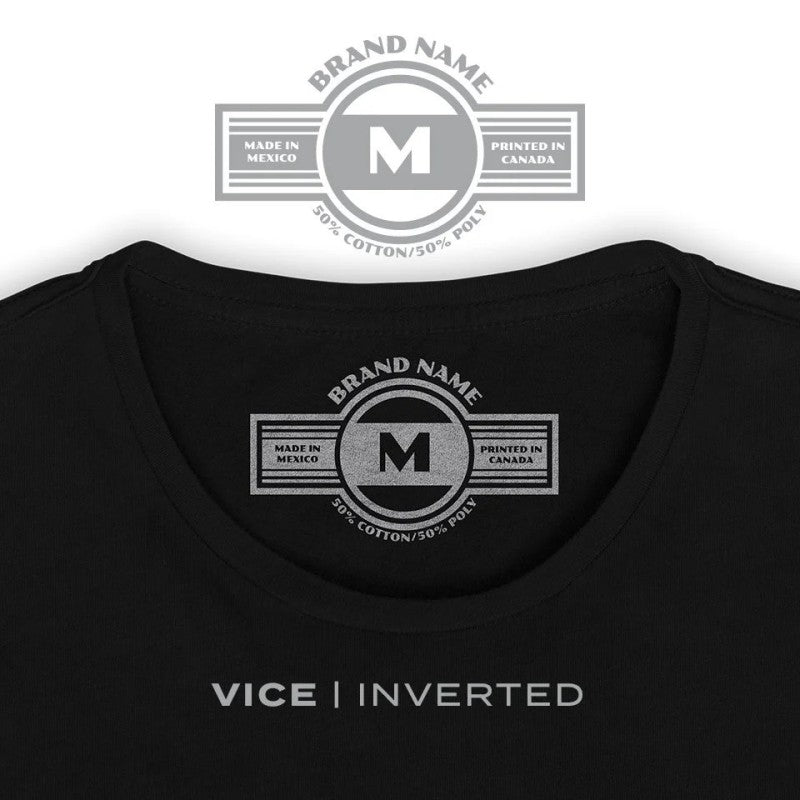
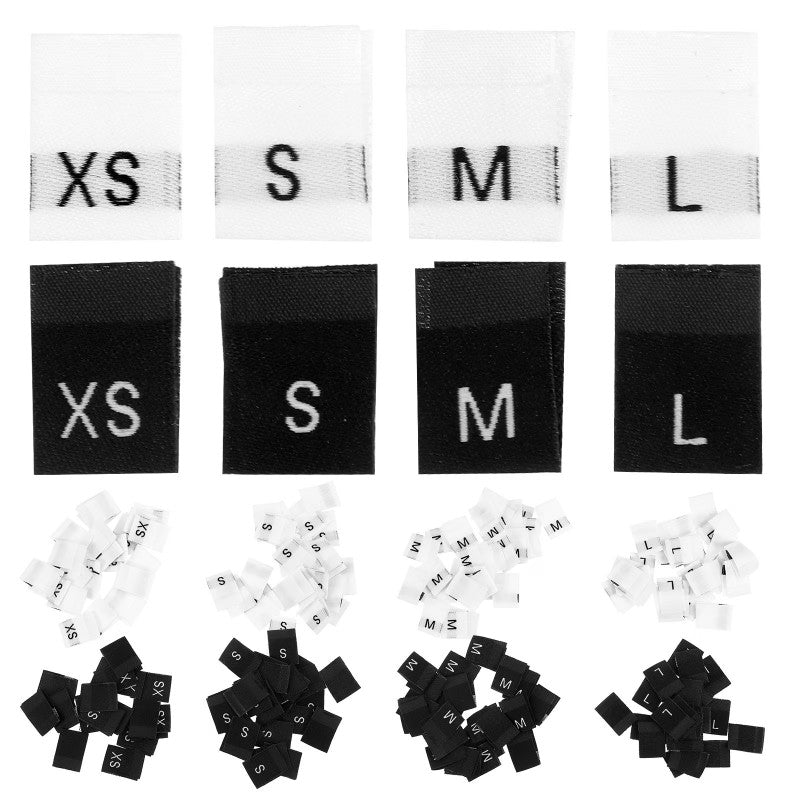
Built for Brand-level T-shirt Production

Custom T-shirt manufacturing means different things to different buyers. Modaknits is built for brands and apparel programs that need fabric, fit, artwork, labels, packaging and bulk production control.

Discuss Project

Established T-shirt Brands

Established T-shirt brands need stable fabric, consistent fit and repeatable production standards. Modaknits supports T-shirt programs where neckline shape, shoulder width, fabric handfeel, shrinkage control, artwork placement and private label packaging all matter. The goal is not only to produce one order, but to build a T-shirt base that can support reorder, new colors, seasonal programs and long-term brand consistency.

DTC / Shopify Brands

DTC and Shopify brands need T-shirts that feel like real branded products when customers receive them. Modaknits supports fabric selection, sample development, printed or blank T-shirt production, custom neck labels, care labels, hangtags, branded polybags and SKU packaging. This helps online brands move from design direction to product launch with clearer sample, production and packaging control.

Streetwear Labels

Streetwear T-shirt brands often care about oversized fit, heavyweight cotton, drop shoulder shape, large graphic placement, puff print, rubber print and washed effects. Modaknits helps review fabric structure, fit proportion, artwork position and print feasibility before bulk production. This is important for T-shirts that depend on silhouette, fabric weight and graphic impact.

Amazon Apparel Brands

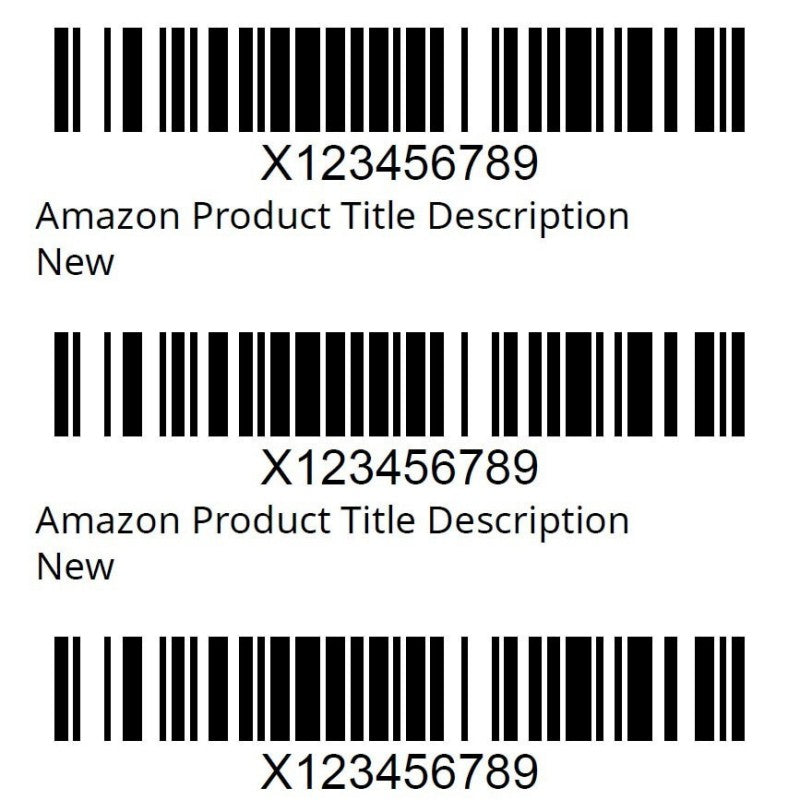
Amazon apparel brands need T-shirts that are not only produced correctly, but also packaged and labeled correctly. Modaknits can support customer-provided FNSKU labels, size stickers, color stickers, polybag packaging, carton labels and packing list preparation. The focus is SKU accuracy, packaging consistency and reducing warehouse receiving problems.

Corporate Apparel Programs

Corporate apparel programs usually need logo T-shirts in multiple sizes, colors and delivery batches. Modaknits can support screen printing, heat transfer, embroidery review, size breakdown, carton labeling and shipment coordination. These orders require clear product information, accurate quantity breakdown and stable packaging before delivery.

Retail Casualwear Buyers

Retail T-shirt buyers need product consistency across sizes, colors and batches. Modaknits supports hangtags, barcode stickers, care labels, folded packaging, carton information and QC checkpoints for T-shirts intended for retail channels. The focus is not only appearance, but also fit stability, label accuracy and presentation before shipment.

Not a Printing Shop

T-shirt Manufacturing Beyond Online Printing

Many search results for custom T-shirts lead to printing platforms or local decoration services. Modaknits is positioned for brands that need manufacturing support from fabric and fit to sampling, bulk production, packaging and delivery.

Online T-shirt Printing Modaknits Custom T-shirt Manufacturing
Starts with ready-made blank T-shirts Starts with fabric, fit, artwork, labels and production requirements
Mainly focuses on logo or graphic application Supports T-shirt development, sampling, printing, QC and packaging
Often built for individual, event or small group orders Built for brand clients and B2B apparel programs
Limited control over fabric, fit and shrinkage Reviews fabric direction, size spec, neckline, body length and wash risk
Packaging is usually simple or standard Supports private label, branded polybags, SKU stickers and carton labels
Less suitable for sample-to-bulk consistency Built around sample approval, PP sample and bulk production standards

Custom T-shirt Types We Support

Different T-shirt categories require different fabric, fit, artwork and QC decisions. Modaknits supports brand-level T-shirt development across basic, premium, oversized, heavyweight, printed and private label directions.

Custom Options

Basic T-shirt

Basic T-shirts look simple, but they need stable fabric, clean neckline shape, correct shoulder width and controlled shrinkage. Modaknits reviews cotton jersey or cotton blend options, regular fit measurements, label placement and packaging requirements. This product direction is suitable for core basics, uniform programs, private label lines and repeatable brand essentials.

Premium T-shirt

Premium T-shirts depend on better handfeel, cleaner finishing, more stable collar recovery and a stronger branded presentation. Modaknits can review combed cotton, structured jersey, midweight cotton or other suitable fabric directions according to the brand’s target market. Neckline, sleeve length, body length, stitch quality and packaging are treated as part of the product value.

Oversized T-shirt

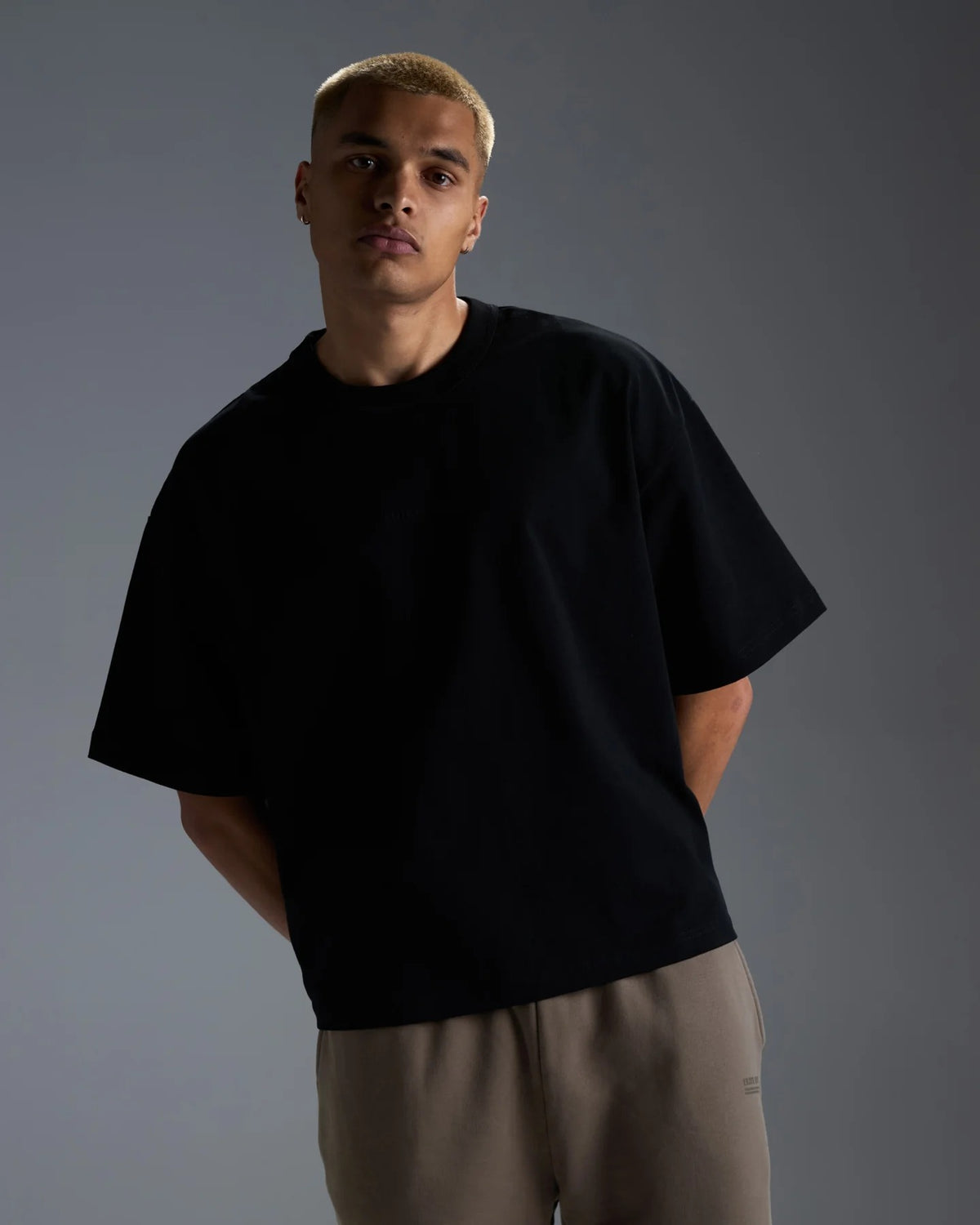
Oversized T-shirts are not regular T-shirts made bigger. Shoulder drop, chest width, sleeve opening, body length, neckline support and fabric weight must work together. Modaknits reviews proportion, pattern balance and fabric structure so the finished T-shirt keeps the intended streetwear or relaxed silhouette from sample to bulk production.

Heavyweight T-shirt

Heavyweight T-shirts are often used for streetwear, premium basics and capsule collections. They require stronger fabric structure, stable neckline construction and careful sewing control. Modaknits reviews fabric weight direction, handfeel, print compatibility and shrinkage risk before bulk production, especially when large artwork or garment wash effects are required.

Printed T-shirt

Printed T-shirts require more than artwork placement. Fabric color, print method, graphic size, wash durability and handfeel all affect the final product. Modaknits can coordinate DTG, screen printing, heat transfer, rubber print or puff print based on fabric, order quantity and artwork requirements. Print samples are reviewed before moving into bulk production.

Graphic T-shirt

Graphic T-shirts are built around visual impact. Modaknits reviews artwork file quality, print size, front or back placement, dark fabric base, color effect and size grading impact. For larger graphics, the print position must work across multiple sizes. This is especially important for DTC, streetwear and e-commerce T-shirt programs.

Private Label T-shirt

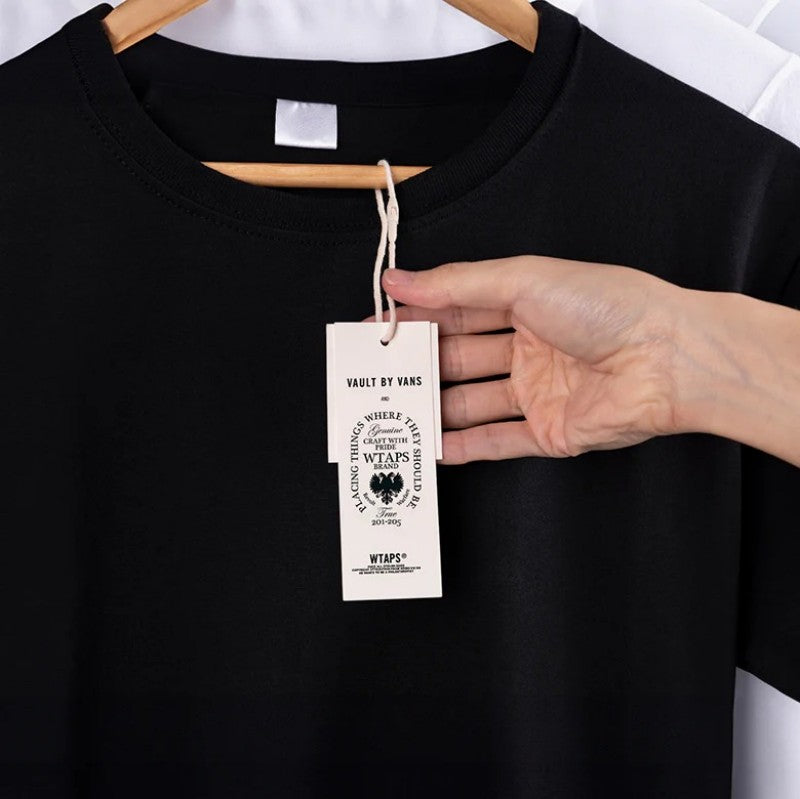
Private label T-shirts need product branding beyond the garment itself. Modaknits can support neck labels, printed labels, heat transfer labels, care labels, hangtags, barcodes, branded polybags and carton labels. This helps brands prepare T-shirts for Shopify, Amazon, retail or warehouse receiving.

Sports T-shirt

Sports T-shirts require fabric and construction decisions based on movement, breathability and logo durability. Modaknits can review polyester, polyester-spandex, cooling fabric or performance knit directions according to project needs. Heat transfer logos, lightweight packaging and wash performance are important checkpoints for active or training T-shirt programs.

Fabric Options for Brand-level T-shirts

Fabric choice affects fit, handfeel, shrinkage, print result and perceived value. Modaknits reviews T-shirt fabric options according to product positioning, artwork, quantity, target market and sample-to-bulk feasibility.

Your Fabric Direction

Cotton Jersey

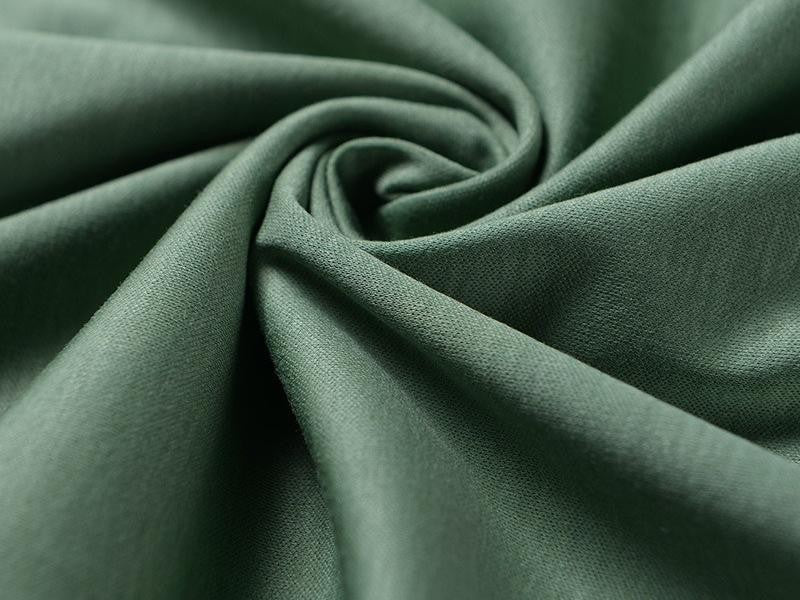
Cotton jersey is a common choice for custom T-shirts because it offers comfort, breathability and broad print compatibility. Modaknits reviews handfeel, fabric weight direction, shrinkage risk, neckline support and color stability before production. It works well for basic T-shirts, printed T-shirts, private label programs and everyday brand essentials.

Combed Cotton

Combed cotton is suitable for premium T-shirts and private label basics that require a smoother handfeel. It can help a brand create a cleaner product impression, especially when combined with better finishing and branded packaging. Modaknits reviews fabric softness, surface stability, print compatibility and wash behavior before confirming bulk direction.

Heavyweight Cotton

Heavyweight cotton is often used for oversized T-shirts, streetwear basics and premium capsule collections. It offers a more structured look, but it also requires better neckline control, sewing stability and shrinkage review. Modaknits reviews fabric thickness, handfeel, collar balance and print suitability before moving into sample or bulk production.

Cotton-poly Blend

Cotton-poly blends can balance comfort, stability and production cost for certain T-shirt programs. They may offer improved durability or shape retention compared with some pure cotton options, depending on the fabric structure. Modaknits reviews blend ratio, handfeel, pilling risk, print effect and customer positioning before recommending this direction.

Cotton-spandex Blend

Cotton-spandex blends are suitable when a brand wants light stretch, better recovery or a closer fit. This direction requires attention to shrinkage, stretch recovery and print method. Modaknits reviews whether DTG, heat transfer or other artwork techniques are suitable for the fabric before sample confirmation.

Cotton-linen Blend

Cotton-linen blends can work for summer casualwear, resort-inspired T-shirts and lifestyle brands that want a more natural texture. This direction may involve more visible fabric character, wrinkling and different shrinkage behavior. Modaknits reviews handfeel, drape, color and finishing expectations before moving into production.

Cooling Fabric

Cooling fabric can support summer T-shirts, sports-inspired products or training collections. The focus is breathability, lightweight handfeel and comfort. Modaknits reviews fabric transparency, surface stability, logo method, wash performance and packaging before recommending this direction for branded T-shirt programs.

Performance Knit

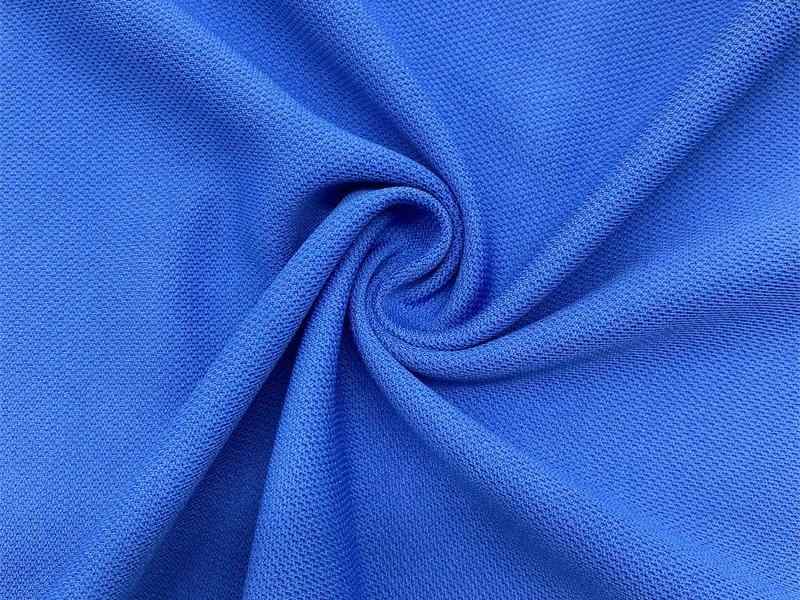
Performance knit fabrics are suitable for sports T-shirts and active casualwear. They may involve polyester, spandex or other functional fiber directions. Modaknits reviews stretch, recovery, breathability, heat transfer compatibility and seam performance before bulk production, especially for e-commerce brands where fit and comfort affect reviews.

Fit Development for T-shirt Brands

A custom T-shirt is not defined by artwork alone. Fit determines whether the product feels like a basic, premium essential, streetwear piece, active top or brand signature style.

Develop Fit

Regular Fit

Regular fit T-shirts need balanced shoulder width, chest measurement, sleeve length and body length. Modaknits reviews the size spec, sample measurement and target customer body expectation before production. This fit is suitable for everyday basics, corporate programs, retail T-shirts and private label collections where consistency is more important than an exaggerated silhouette.

Relaxed Fit

Relaxed fit T-shirts offer more ease than regular fit while still keeping a clean casual shape. Modaknits reviews shoulder drop, chest width, sleeve opening and body length to avoid a shapeless result. This fit works well for lifestyle brands, DTC basics and soft casualwear programs where comfort and brand wearability matter.

Oversized Fit

Oversized fit requires deliberate pattern development. Shoulder drop, chest width, sleeve length, neckline size and fabric weight must support the intended silhouette. Modaknits reviews the proportion during sample development so the T-shirt does not become too long, too wide, too thin or unstable after washing.

Boxy Fit

Boxy fit T-shirts usually need a wider body, shorter length and stronger fabric structure. Modaknits reviews garment balance, hem position, sleeve proportion and neckline shape before bulk production. This fit is suitable for premium streetwear, modern basics and capsule collections that rely on a clear visual silhouette.

Drop Shoulder

Drop shoulder construction changes the visual attitude of a T-shirt. It must be controlled through shoulder width, sleeve angle, armhole shape and fabric drape. Modaknits reviews these points during pattern and sample development so the final T-shirt keeps the intended relaxed or streetwear shape across sizes.

Unisex Fit

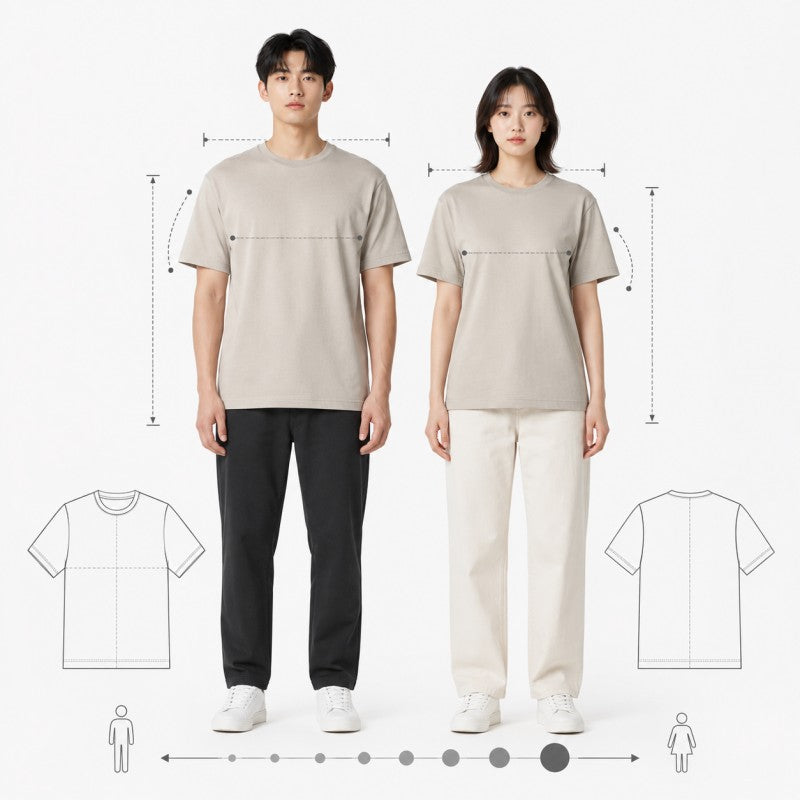
Unisex T-shirts need careful measurement planning because the product must work across broader customer expectations. Modaknits reviews chest width, shoulder width, length, sleeve shape and size range before sample approval. This fit is suitable for brand merchandise, corporate apparel, streetwear programs and core T-shirt collections.

MOQ 200 pcs per Style per Color

Modaknits supports custom T-shirt programs with a clear production MOQ: 200 pieces per style per color. This MOQ is built for brands and B2B apparel programs that need real manufacturing support, not one-piece printing or POD fulfillment.

Check Your Dedign MOQ

MOQ Logic

Fabric sourcing, print setup, pattern work, sample development, labels, packaging and QC all create preparation work before bulk production. A 200 pcs / style / color MOQ helps keep the order practical for branded T-shirt production while still allowing a controlled first production run.

Multi-color Orders

Each color is calculated separately because fabric color, print result, label matching, packaging and QC must be reviewed by color. For example, one T-shirt style in black and white requires 200 pcs in black and 200 pcs in white.

Multi-size Orders

Size breakdown can be arranged within the same style and color MOQ. For example, 200 black T-shirts can be divided across S, M, L, XL or another customer-confirmed size range, with size labels and packaging matched accordingly.

Printing Options for Custom T-shirts

Artwork method affects cost, handfeel, durability and brand presentation. Modaknits reviews printing options according to fabric type, artwork size, color count, order quantity and expected wash performance.

DTG Printing

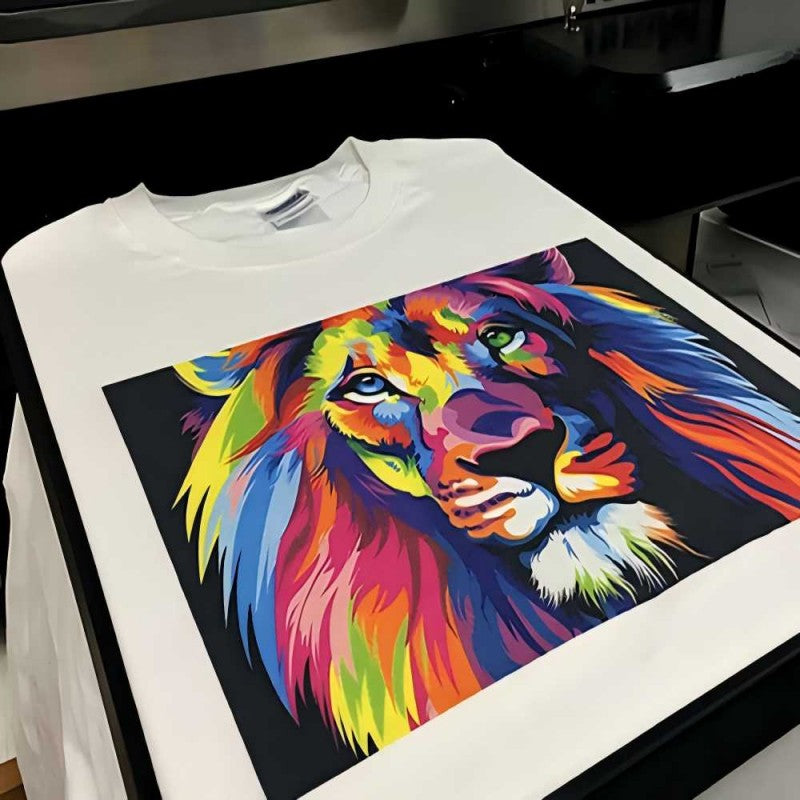
DTG printing can work well for complex artwork, gradients and multi-color graphics. It requires suitable fabric, clean artwork files and careful review on dark base colors. Modaknits checks graphic clarity, print area, pretreatment requirements and wash appearance before recommending DTG for bulk T-shirt production.

Screen Printing

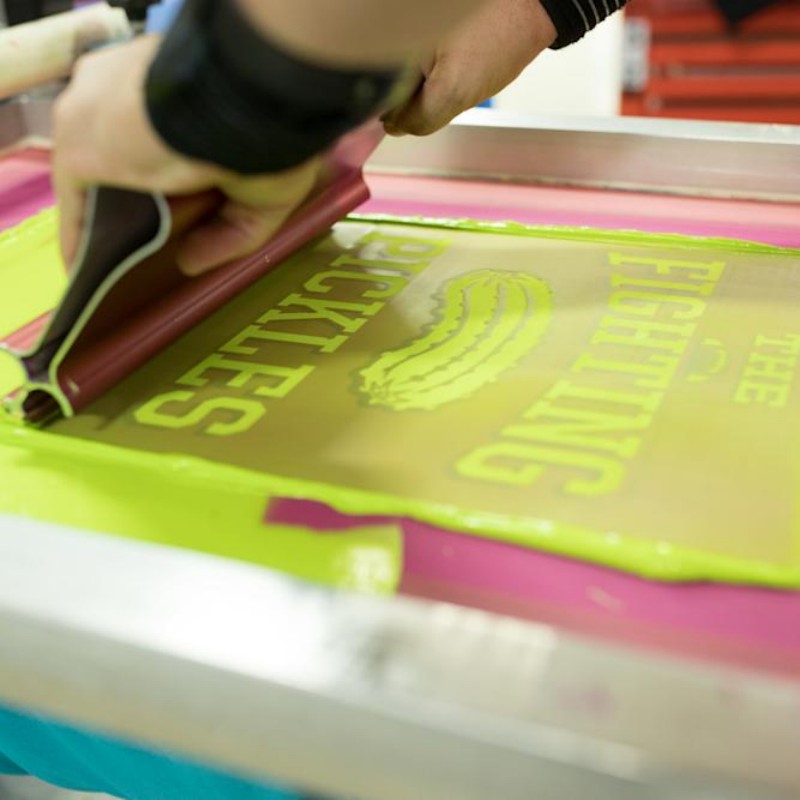
Screen printing is suitable for batch T-shirt production, especially when the artwork uses defined colors and repeatable placement. Color count, screen setup, ink type, print size and fabric base all affect production cost and consistency. Modaknits reviews artwork and sample results before moving into bulk.

Heat Transfer

Heat transfer can be suitable for logos, sports T-shirts, performance fabric or certain graphic details. It requires correct temperature, pressure, material choice and fabric compatibility. Modaknits reviews stretch behavior, edge lifting risk and wash durability before confirming this method for branded T-shirt programs.

Rubber Print

Rubber print can create a thicker graphic handfeel for streetwear T-shirts and logo-driven collections. The key risks are cracking, stiffness and poor fabric compatibility. Modaknits reviews artwork area, ink thickness, fabric stretch and wash expectations before applying rubber print to production.

3D Puff Print

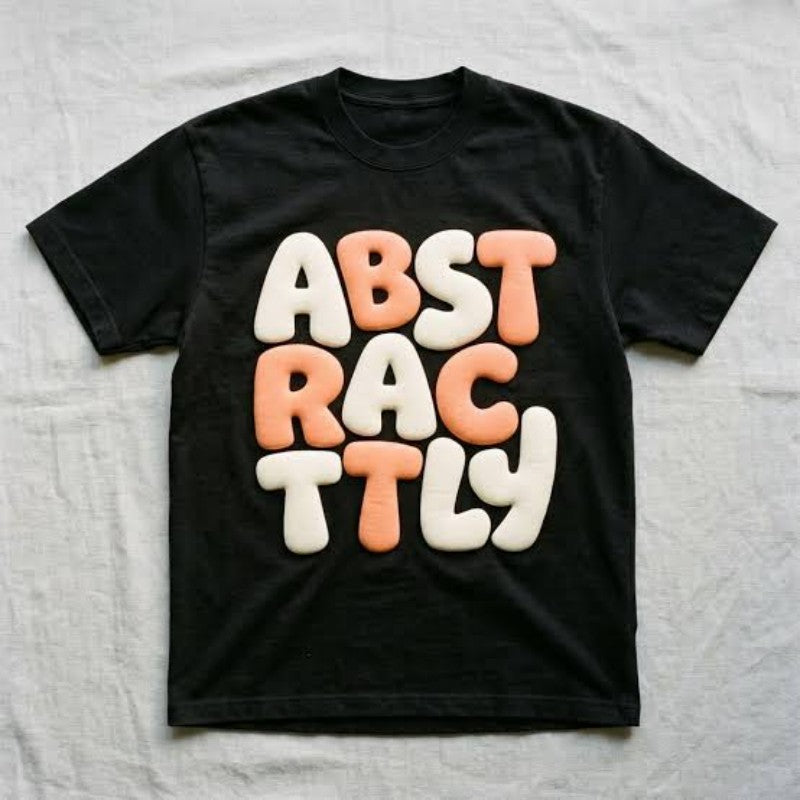
Puff print is often used for streetwear T-shirts where the artwork needs raised texture and stronger visual impact. It requires careful control of line thickness, print height, heat reaction and wash stability. Modaknits recommends sample testing before bulk production for puff print T-shirt projects.

Sublimation Transfer

Sublimation or digital transfer can be suitable for polyester or performance T-shirt programs. It is not the right choice for every cotton T-shirt. Modaknits reviews fabric composition, artwork coverage, color target and heat stability before recommending sublimation-related methods for a project.

Embroidery and Brand Detail Support

Some T-shirt programs need subtle embroidery, woven patches, hem labels or neck branding rather than full graphic printing. Modaknits reviews whether the fabric, artwork size and garment position can support each detail.

Plan Embroidery Details

Chest Embroidery

Small chest embroidery can add a premium or corporate identity to custom T-shirts. The key is to control stitch density, thread color, backing and placement. Lightweight fabrics may not support heavy embroidery well, so Modaknits reviews fabric stability and sample result before bulk production.

Sleeve Embroidery

Sleeve embroidery can work for brand marks, capsule collection details or corporate apparel. Placement must be checked against sleeve length, size grading and seam position. Modaknits reviews embroidery scale and position so the detail remains consistent across multiple sizes.

Hem Label

Hem labels help create a private label or streetwear product identity without overwhelming the T-shirt design. Modaknits reviews label size, placement, sewing method and fabric compatibility. This detail is often useful for premium basics, streetwear T-shirts and branded capsule programs.

Woven Patch

Woven patches can be used for streetwear, lifestyle or logo-focused T-shirt programs. The patch must be matched with fabric weight and sewing position. Modaknits reviews patch thickness, edge finishing and placement so it does not distort the garment or feel uncomfortable.

Heat Transfer Label

Heat transfer neck labels are often used when brands want a clean inner neck finish without a sewn label. Modaknits reviews label size, heat temperature, pressure and wash durability. This option is useful for T-shirts where comfort, clean branding and a modern retail feel matter.

Care Label

Care labels carry fabric composition, wash instructions, size information and market-related labeling content. Modaknits can apply customer-confirmed care label information and placement requirements. Final label content should be confirmed by the customer according to the target selling market and channel.

From Reference Idea to Production-ready T-shirt

Design and Product Review

Modaknits reviews the T-shirt direction before quoting or sampling. This includes product type, target fit, fabric direction, artwork position, size range, quantity, label requirement and packaging method. If the project starts from reference images instead of a complete tech pack, the first step is to clarify what must be developed: fabric, pattern, artwork placement, label position or full sample structure.Key review points include:

· Product category: basic, oversized, heavyweight, printed or private label T-shirt

· Fabric direction: cotton jersey, combed cotton, heavyweight cotton, blend or performance knit

· Fit target: regular, relaxed, oversized, boxy, drop shoulder or unisex

· Artwork: DTG, screen print, heat transfer, embroidery or patch detail

· Brand delivery: neck label, care label, hangtag, polybag, barcode or carton label

This process helps prevent unclear sampling, wrong fabric selection and production misunderstanding before the first T-shirt sample is made.

Review Design

Sample Development Before Bulk Production

Sampling is where fabric, fit, artwork, label and construction are tested before bulk production. Modaknits treats custom T-shirt samples as production preparation, not as isolated one-off garments.

Step 1|Design Review

Step 1|Design Review

Modaknits reviews tech packs, reference samples, product images, artwork files and brand requirements. The goal is to understand product type, fit direction, fabric expectation, quantity, printing method, label needs and packaging requirements before starting the sample.

Step 2|Fabric Review

Step 2|Fabric Review

Fabric options are reviewed according to the T-shirt style. Cotton jersey, combed cotton, heavyweight cotton, cotton blends, stretch fabric or performance knit may be considered depending on target handfeel, print method, shrinkage expectation and brand positioning.

Step 3|Pattern Development

Step 3|Pattern Development

The pattern is prepared or adjusted according to fit direction. Regular, relaxed, oversized, boxy, drop shoulder and unisex T-shirts require different proportion control. Shoulder width, chest width, body length, sleeve length and neckline shape are reviewed.

Step 4|Sample Making

Step 4|Sample Making

The first sample is made to check garment shape, fabric behavior, sewing details, print placement and label position. For printed T-shirts, a print sample or artwork test may be needed before the complete sample is approved.

Step 5|Sample Review

Step 5|Sample Review

The sample is checked for fit, measurement, neckline, handfeel, print position, sewing quality and packaging direction. Photos, videos or measurement information can be shared before shipping the physical sample when needed.

Step 6|Sample Revision

Step 6|Sample Revision

Customer feedback is translated into practical changes. This may include adjusting body length, shoulder width, neckline, sleeve length, print size, artwork position, fabric choice, label placement or packaging method.

Text

Heading

Use this text to share information about your brand with your customers. Describe a product, share announcements, or welcome customers to your store.

Step 7|PP Sample Approval

Step 7|PP Sample Approval

Once the final sample direction is approved, a PP sample can be used to confirm bulk production standards. Fabric, pattern, measurement, artwork, trims, labels, packaging and QC focus points should be locked before bulk production.

Common T-shirt Sample Revision Points

Sample comments should become clear production changes. Modaknits records revision points so the final sample can become a stable bulk production standard.

Neckline Shape

Neckline revision may involve collar width, rib recovery, neck opening, seam flatness or wash behavior. A weak neckline can make a T-shirt look low quality after limited wear. Modaknits reviews neckline shape during sample and bulk preparation.

Shoulder Width

Shoulder width strongly affects whether a T-shirt feels regular, relaxed, oversized or boxy. A small change can shift the whole silhouette. Modaknits reviews shoulder proportion together with chest width, sleeve shape and fabric structure.

Body Length

Body length affects visual balance, size expectation and styling. Oversized and boxy T-shirts need especially careful length control. Modaknits reviews body length during sample measurement and compares it with the target fit direction.

Sleeve Length

Sleeve length changes the look of a T-shirt across sizes. Regular, oversized and drop shoulder styles require different sleeve balance. Modaknits reviews sleeve length, sleeve opening and armhole shape before confirming the final pattern.

Chest Width

Chest width controls comfort and silhouette. It must match the brand’s fit direction rather than simply follow a generic size chart. Modaknits reviews chest width against shoulder width, body length and size grading.

Print Placement

Print placement must work across size ranges. A graphic that looks right on one size may shift visually on larger or smaller sizes. Modaknits reviews artwork size, position and proportion before bulk printing.

Fabric Handfeel

A sample may need fabric adjustment if the handfeel is too light, stiff, thin or heavy for the target brand position. Modaknits reviews alternative fabric directions before bulk confirmation when the original choice is not suitable.

Label Position

Neck labels, heat transfer labels, side labels and care labels affect comfort and brand presentation. Modaknits reviews label size, placement and attachment method so branding does not create discomfort or packaging confusion.

Sample-to-Bulk T-shirt Production

Before production, Modaknits confirms the final sample, final pattern, size spec, fabric, color, artwork file, print placement, label information, packaging method and QC focus points. This step reduces the risk of old sample versions, wrong artwork files or unclear packaging requirements entering bulk production.

Important locked standards include:

· Final fabric and color direction

· Final pattern and size spec

· Final artwork version and print position

· Final label and packaging information

· Final quantity breakdown by size and color

· Final QC checkpoints for bulk inspection

After standards are locked, the order moves through material preparation, cutting, printing, sewing, inline checking, finishing, packaging and shipment preparation. T-shirt production may look simple, but neckline stability, side seam position, print placement, fabric shrinkage and label accuracy must be checked throughout the process.

Plan Bulk Production

T-shirt Quality Control Points

Quality control for custom T-shirts must focus on the actual risks buyers notice after production, washing, packing and selling. Modaknits checks key areas from fabric to final packaging.

Fabric Handfeel

Fabric handfeel must match the sample and brand positioning. A T-shirt that feels too thin, too stiff or different from the approved sample can affect customer satisfaction. Modaknits checks fabric direction and bulk fabric consistency before production continues.

Fabric Weight

Fabric weight influences drape, structure, print performance and perceived value. Heavyweight T-shirts need stronger neckline and sewing control, while lightweight T-shirts need transparency and shrinkage review. Modaknits checks whether fabric direction supports the target style.

Neckline Shape

The neckline is one of the most visible quality points on a T-shirt. Modaknits reviews rib recovery, collar width, stitching, seam flatness and wash-related deformation risk. Neckline control is especially important for premium basics and heavyweight styles.

Shoulder Measurement

Shoulder width determines fit balance. Modaknits checks shoulder measurement against the approved size spec and fit direction. This is important for regular, relaxed, oversized and drop shoulder T-shirts, where small differences can change the final silhouette.

Body Length

Body length affects styling and size expectation. Modaknits checks body length during sample review and bulk measurement. This reduces the risk of T-shirts appearing too short, too long or inconsistent across sizes.

Side Seam

Side seam twisting can make a T-shirt look poorly made after washing or wearing. Modaknits checks cutting direction, sewing balance and garment appearance to reduce twisting risk, especially for cotton jersey T-shirt programs.

Print Position

Print position must match the approved artwork placement. Modaknits reviews front chest, back graphic, sleeve print or hem graphic positions according to the confirmed standard. Large graphics require extra attention across different sizes.

Label Accuracy

Labels must match the correct style, size, color and customer information. Modaknits checks neck labels, care labels, size labels, hangtags, barcode stickers and packaging labels before shipment preparation.

Packaging Check

Packaging affects warehouse receiving and customer presentation. Modaknits checks folding method, polybag size, barcode placement, SKU sticker, carton label and packing list consistency before the order leaves production.

Common T-shirt Production Risks We Review

Professional T-shirt manufacturing means identifying risks before they become bulk order problems. Modaknits reviews key production risks during fabric selection, sampling, production, QC and packing.

Start Your Project

Shrinkage After Wash

T-shirt shrinkage can affect body length, chest width, shoulder width and sleeve length. This risk often comes from fabric behavior, pattern allowance or wash conditions. Modaknits reviews fabric direction, sample measurements and shrinkage risk before bulk production, especially for cotton and cotton blend T-shirts.

Neckline Deformation

Neckline deformation can make a T-shirt look old or low quality quickly. It may come from poor rib recovery, wrong neckline proportion or sewing tension. Modaknits reviews rib quality, neck opening, collar width and sample wash behavior before confirming the bulk standard.

Side Seam Twisting

Side seam twisting often appears after washing or wearing. It can be caused by fabric instability, cutting direction or sewing imbalance. Modaknits reviews fabric structure, cutting direction and finished garment appearance to reduce the risk in cotton jersey T-shirt production.

Print Cracking

Print cracking can damage the visual value of a graphic T-shirt. This risk is affected by artwork area, ink type, fabric stretch, print thickness and wash performance. Modaknits reviews print method and sample results before bulk production.

DTG Color Fading

DTG printing can lose color strength if fabric, pretreatment or dark base handling is not suitable. Modaknits reviews artwork quality, fabric type, color base and wash expectations before confirming DTG as the production method.

Sample Difference

Bulk T-shirts must follow the approved sample, not an earlier version or unclear reference. Modaknits locks fabric, pattern, artwork, labels, packaging and QC focus points before production so the sample-to-bulk standard is clear.

Private Label T-shirt Support

Private label T-shirt production is not only about adding a logo. It is about turning a T-shirt into a sellable brand product with correct labels, packaging, SKU information and presentation.

Add Your Branding

Woven Neck Label

A woven neck label gives a T-shirt a stronger brand identity. Modaknits reviews label size, color, material, placement and comfort before bulk application. The label must match the correct product, size range and customer-approved brand standard.

Printed Neck Label

Printed neck labels can work for soft basic T-shirts and lightweight styles. They create a cleaner inner neck feel than sewn labels. Modaknits reviews print position, size, heat or ink durability and fabric compatibility before confirming this option.

Heat Transfer Label

Heat transfer labels are useful when brands want a smooth label-free feel. Modaknits reviews temperature, pressure, label clarity and wash durability. This option is often used for sports T-shirts, premium basics or clean private label programs.

Care Label

Care labels include composition, wash instructions, size and market-related information. Modaknits applies customer-confirmed care label content and placement. The final legal label content should be confirmed by the customer based on selling market and channel requirements.

Size Label

Size labels must match the actual garment and packaging information. Modaknits checks size label accuracy during packing to reduce warehouse mistakes, customer complaints and SKU confusion across multi-size T-shirt programs.

Hangtag

Hangtags support retail presentation and brand storytelling. Modaknits can apply customer-provided hangtags, price tags or product cards. Placement, string type, barcode and style matching should be confirmed before bulk packing.

Brand Card

Brand cards or thank-you cards can improve DTC and Shopify customer experience. Modaknits can coordinate packaging insertion according to the customer’s requirements. This is useful for brands that want a more complete unboxing presentation.

Barcode Sticker

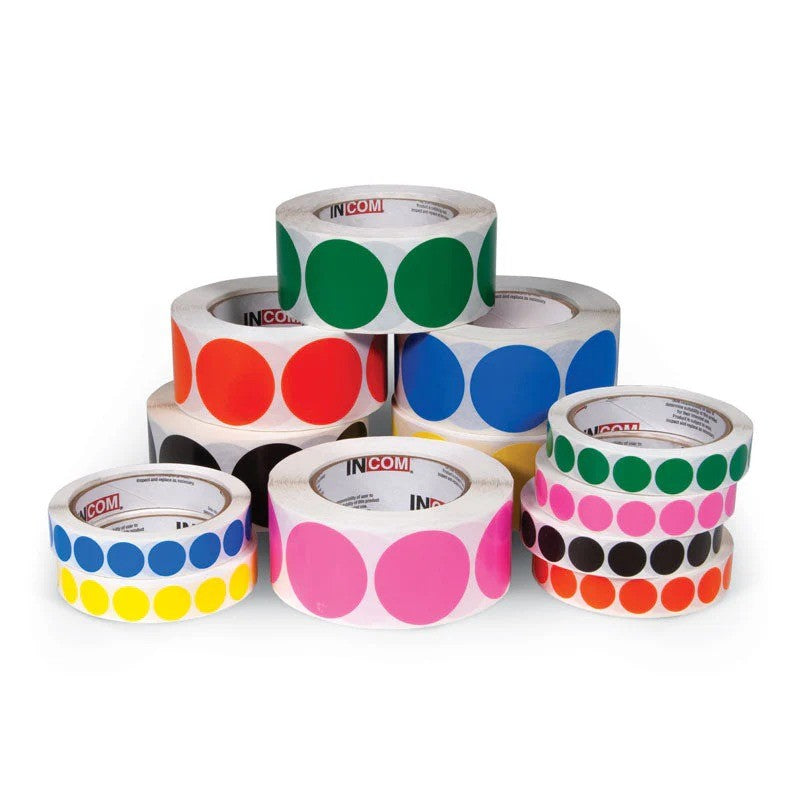
Barcode stickers, SKU stickers, size stickers and color stickers help connect the T-shirt to warehouse, e-commerce and retail systems. Modaknits checks sticker content and placement before final packing and carton preparation.

Packaging for E-commerce and Retail T-shirts

Packaging helps a custom T-shirt move from factory production to warehouse receiving, online sale, retail display or customer delivery. Modaknits supports packaging according to customer channel requirements.

Plan Packaging

Standard Polybag

Standard polybags protect T-shirts during storage and shipping. Modaknits checks bag size, folding method, size sticker and product matching before packing. This option is suitable for basic B2B, wholesale, warehouse or private label T-shirt programs.

Branded Polybag

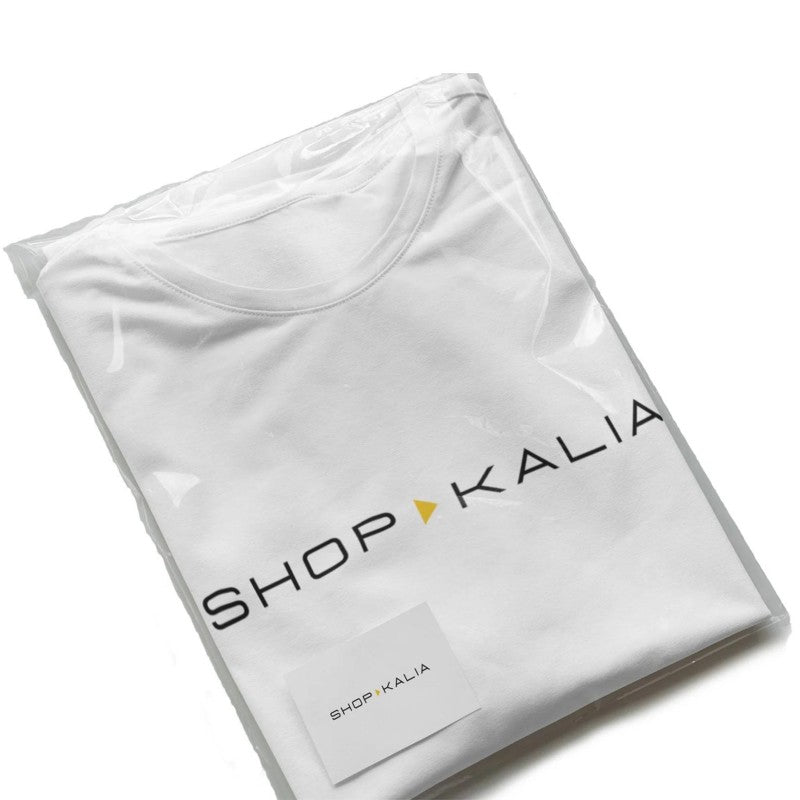
Branded polybags improve product presentation for DTC and Shopify brands. Modaknits reviews logo print, bag size, material direction and artwork placement. A branded bag helps the T-shirt feel more complete when customers receive the product.

Frosted Bag

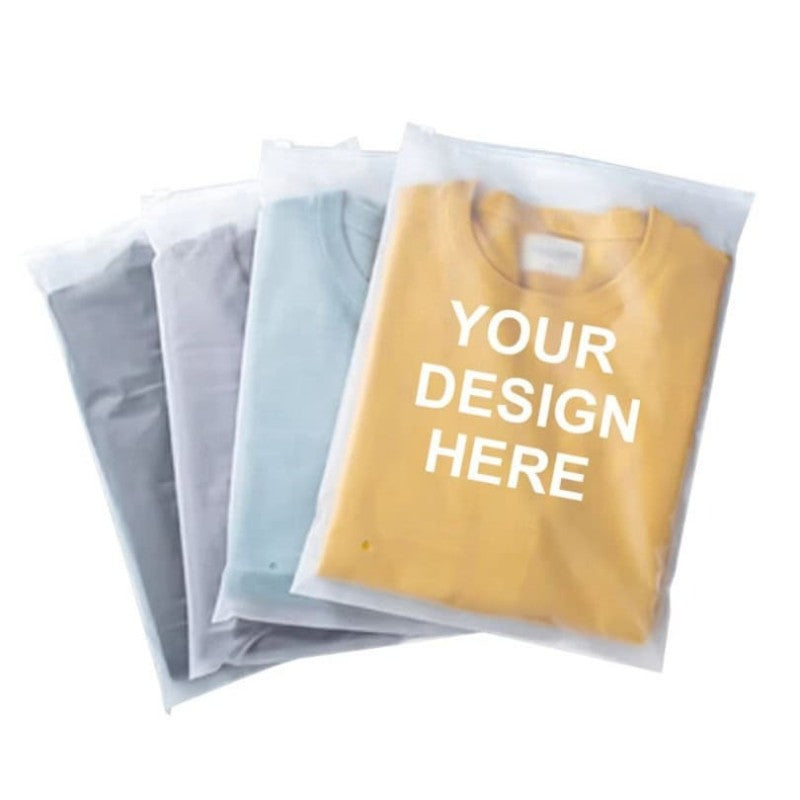
Frosted bags can provide a cleaner, more premium packaging appearance. They are suitable for brands that want a softer visual presentation than a standard clear bag. Modaknits reviews material thickness, size, closure and sticker placement before production.

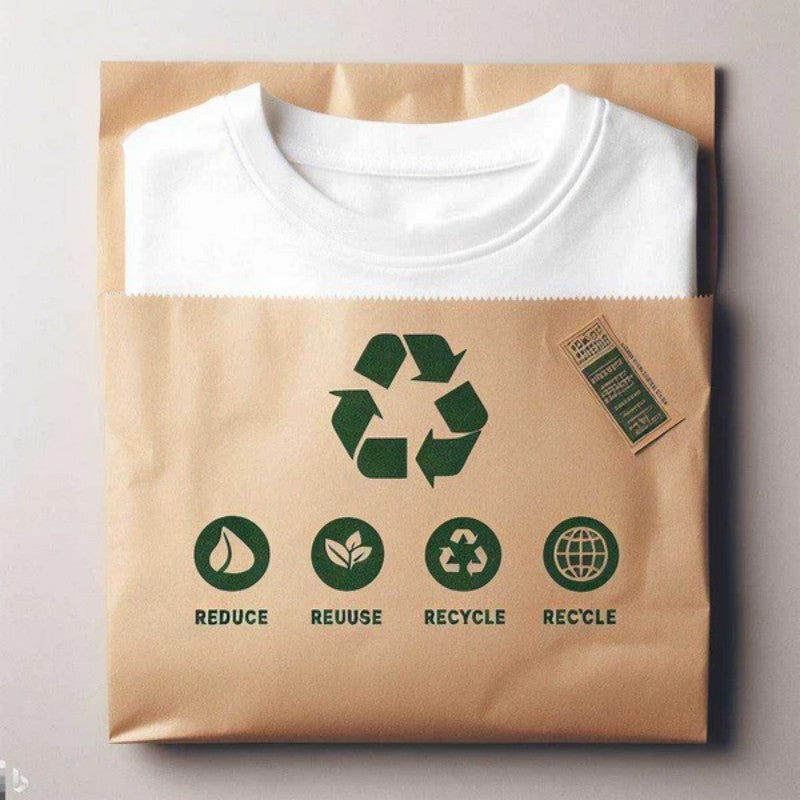
Eco Packaging

Eco packaging options can be reviewed according to project quantity, material availability and supplier requirements. Modaknits can coordinate recycled or paper-based packaging directions when required by the brand, but final availability depends on project conditions.

Size Sticker

Size stickers help warehouse teams and customers identify product sizes quickly. Modaknits checks size sticker placement and accuracy against the garment size label and packing list, especially for multi-size T-shirt programs.

Color Sticker

Color stickers are useful when similar T-shirt styles are produced in multiple colors. Modaknits checks color names, SKU logic and carton information before shipment to reduce picking, packing and warehouse receiving errors.

FNSKU Label

For Amazon-related T-shirt orders, Modaknits can apply customer-provided FNSKU labels according to confirmed platform files. The customer must provide the correct FNSKU and warehouse requirements. Modaknits focuses on accurate application and packing control.

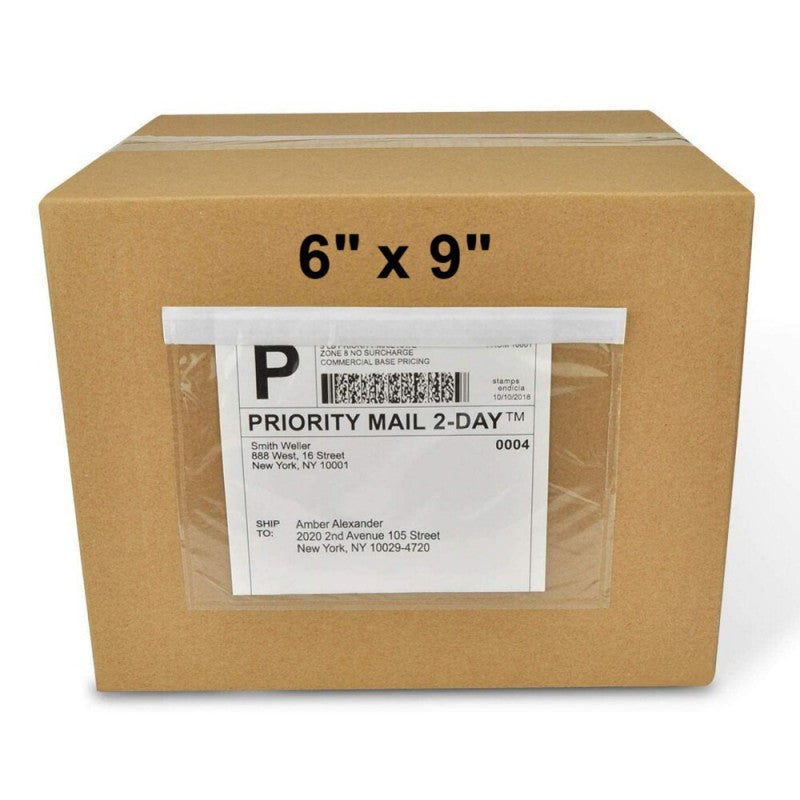
Carton Label

Carton labels connect the shipment to warehouse receiving. Modaknits can support carton marks, carton numbers, style codes, quantity information, gross weight, net weight and carton dimensions according to customer or forwarder requirements.

Multi-SKU Management

Multi-SKU T-shirt Order Management

Large T-shirt programs often include multiple styles, colors, sizes, artwork files, labels and packaging versions. Modaknits manages these details through structured project information before sampling, production and shipment.

Management Item What Modaknits Tracks
Style Code Product name, T-shirt type, fit direction and approved sample version
Color Code Color name, fabric color, lab dip or approved color reference
Size Breakdown Size range, quantity per size and customer-confirmed size ratio
Artwork Version DTG, screen print, heat transfer or embroidery file version
Print Position Front, back, sleeve, hem or multi-position artwork placement
Label Version Neck label, care label, size label and hangtag information
Packaging SKU Polybag type, barcode, FNSKU, size sticker and color sticker
Carton Information Carton number, quantity per carton, weight and carton dimensions

Shipping and Delivery Support

Modaknits supports shipment preparation for custom T-shirt orders according to product quantity, destination, packaging requirement and customer logistics arrangement.

Sample Express

T-shirt samples are usually shipped by express courier when customers need physical review. Modaknits can provide tracking information after shipment. Sample shipping may include garment samples, fabric swatches, print samples, label samples or packaging samples depending on the project.

Bulk Express

Bulk express can be reviewed for urgent T-shirt orders, smaller shipments or time-sensitive replenishment. It is faster than sea freight, but cost depends on weight, carton size, destination and delivery address. Modaknits reviews this option by project.

Air Freight

Air freight can support mid-size T-shirt orders where delivery speed matters. It may suit launch schedules, urgent restocks or seasonal programs. The final cost depends on actual weight, volume weight, destination and forwarder arrangement.

Sea Freight

Sea freight is usually more suitable for larger T-shirt orders where cost control is important. It requires earlier planning, carton information and shipping coordination. Modaknits can support carton dimensions, gross weight, net weight and packing list preparation.

Forwarder Support

Mature brand clients often work with their own freight forwarders. Modaknits can coordinate with customer-provided forwarder contacts, warehouse addresses, shipping instructions, carton labels and delivery schedules before goods are handed over.

Shipping Documents

Modaknits can support basic shipping documents such as packing list, commercial invoice, carton list, carton dimensions, gross weight, net weight and shipping mark according to the agreed shipment arrangement and customer requirements.

Testing and Compliance Support

For brand clients and B2B apparel programs, testing and compliance requirements should be reviewed before bulk production. Modaknits can coordinate testing support according to project needs.

Fabric Content

Fabric content may need to match customer labels, product descriptions or market requirements. Modaknits can coordinate fabric information and supplier documentation based on the actual material used for the T-shirt order.

Shrinkage Review

Shrinkage affects fit, size satisfaction and repeat order consistency. Modaknits reviews shrinkage risk according to fabric type, sample measurement and project requirements. Wash-related review can be coordinated when required by the brand.

Color Fastness

Color fastness is important for dark T-shirts, bright colors and printed products. Modaknits can review color risk and coordinate testing support when requested. Final testing scope depends on customer requirements, fabric source and testing partner conditions.

Print Durability

Printed T-shirts may require wash durability, rubbing resistance or cracking review. Modaknits checks print method, fabric base and sample result before bulk production. Third-party testing can be coordinated when required by the brand.

Label Information

Care label, size label and composition information should be confirmed before bulk production. Modaknits applies customer-confirmed label content, while the customer should confirm final legal requirements according to the target selling market.

Certified Materials

Organic cotton, recycled polyester, OEKO-TEX related or GRS related fabric options can be reviewed when required. Final availability depends on fabric type, order quantity, supplier stock, certification scope and documentation.

Custom T-shirt Case Studies

The following anonymous case examples show how Modaknits supports different T-shirt programs through fabric review, fit development, print testing, private label packaging and bulk production control.

European Streetwear Brand

Product: Oversized T-shirt
Order Scope: 4 styles, 2 colors, 1,600+ pieces
Fabric: Heavyweight cotton jersey
Process: Screen print, drop shoulder fit, bulk QC
Key Challenge: The brand needed an oversized silhouette with strong fabric structure and large back artwork. The main risk was poor proportion across sizes and print placement shifting during bulk production.
Modaknits Support: Pattern proportion was reviewed around shoulder width, chest width and body length. Print placement was confirmed before bulk production, and QC focused on neckline shape, side seams and graphic position.
Result: Sample direction was confirmed and the project moved into bulk production preparation.

North American DTC Brand

Product: Private label basic T-shirt
Order Scope: 3 styles, 3 colors, 2,700+ pieces
Fabric: Combed cotton and cotton blend options
Process: Neck label, care label, hangtag, branded polybag
Key Challenge: The order included multiple colors and sizes, requiring accurate label, barcode and packaging matching. A packaging error would create warehouse and customer service problems.
Modaknits Support: A style and SKU structure was prepared before packing. Neck labels, care labels, size stickers, barcode stickers and polybags were checked against each style and color.
Result: The bulk order was packed by SKU with repeat order information retained.

Graphic E-commerce Brand

Product: DTG printed T-shirt
Order Scope: 2 styles, 2 colors, 800+ pieces
Fabric: Cotton jersey
Process: DTG print, dark fabric review, artwork position check
Key Challenge: The artwork included multiple colors and was intended for a dark T-shirt base. The key risk was dull color, weak detail and wash-related fading.
Modaknits Support: Artwork clarity and print size were reviewed before sample printing. Dark fabric handling and print result were checked before bulk direction was confirmed.
Result: The print sample was approved as the reference for bulk artwork placement.

Custom T-shirt Pricing Factors

What Affects Custom T-shirt Pricing

Custom T-shirt pricing depends on product specification, not only quantity. Modaknits quotes based on fabric, construction, artwork, trims, packaging, order quantity, testing requirements and delivery arrangement.

Cost Factor Why It Matters
Fabric Type Cotton jersey, combed cotton, heavyweight cotton, blends and performance knit have different costs.
Fabric Weight Heavyweight T-shirts use more material and need stronger sewing and neckline control.
Fit Direction Oversized, boxy and drop shoulder fits may require more pattern development and sample review.
Printing Method DTG, screen printing, heat transfer, rubber print and puff print have different setup and production costs.
Artwork Size Large front or back graphics affect print cost, production time and QC checkpoints.
Color Count Multi-color artwork can increase screen setup, print complexity or testing requirements.
Labels Neck labels, care labels, size labels, heat transfer labels and hangtags affect branding cost.
Packaging Standard polybags, branded polybags, FNSKU labels, barcode stickers and carton labels affect packing cost.
Order Quantity Quantity affects material planning, print setup distribution and unit cost structure.
Testing Requirements Fabric tests, print durability tests or certified material requests may increase cost and timeline.

Custom T-shirt Frequently Asked Questions

1. What is your MOQ for custom T-shirts?

Our MOQ is 200 pieces per style per color. This MOQ supports fabric sourcing, sample development, printing setup, private label preparation, QC and bulk production control for branded T-shirt orders.

2. Can you make private label T-shirts?

Yes. Modaknits can support neck labels, care labels, size labels, heat transfer labels, hangtags, brand cards, barcode stickers, branded polybags and carton labels according to customer-confirmed files and packaging requirements.

3. Can you work from a tech pack?

Yes. A tech pack helps us review fabric, measurements, artwork, trims, labels, packaging and production requirements more accurately. We can also review reference samples or product images when a full tech pack is not available.

4. Can you help with reference images?

Yes. Reference images can be used to understand product direction, but they must be translated into fabric, fit, size, artwork, trims and packaging standards before sampling and bulk production.

5. What fabrics can you source?

We can review cotton jersey, combed cotton, heavyweight cotton, cotton blends, cotton-spandex, cotton-linen, cooling fabric and performance knit options according to the T-shirt type, artwork, order quantity and target market.

6. Do you offer DTG or screen printing?

Modaknits can coordinate DTG, screen printing, heat transfer, rubber print, puff print and sublimation-related methods depending on fabric type, artwork, color count, quantity and production feasibility.

7. Can you make samples before bulk?

Yes. Sample development can include fabric review, pattern development, T-shirt sample making, print sample, label sample, packaging sample, revision and PP sample confirmation before bulk production.

8. Can you support Amazon packaging?

Yes. Modaknits can apply customer-provided FNSKU labels, size stickers, color stickers, polybags and carton labels according to the customer’s platform files and confirmed packing requirements.

9. How do you control shrinkage?

Shrinkage risk is reviewed through fabric selection, sample measurement, size spec planning and project-specific wash review when required. Bulk standards should be confirmed before production starts.

10. Can you coordinate testing?

Testing support can be coordinated based on project requirements. Fabric content, shrinkage, color fastness, print durability and other tests depend on customer requirements, material source and testing partner conditions.

Start Your Custom T-shirt Project

Send us your T-shirt product direction, tech pack, artwork or reference images so we can review fabric, fit, printing, labels, packaging, MOQ and bulk production feasibility. Modaknits is built for brand clients and B2B apparel programs that need a clear path from sample development to bulk production.

To prepare an accurate review, please include as much information as possible:

· Company or brand name

· Website or Instagram

· Country and delivery destination

· T-shirt type and fit direction

· Number of styles and colors

· Quantity per style and color

· Size range and size breakdown

· Fabric requirement or target handfeel

· Artwork, printing or embroidery requirement

· Private label and packaging requirement

· Target delivery time

· Tech pack, artwork or reference images